What Is Sales Automation? How B2B Teams Use Technology to Scale Without Scaling Headcount
One of the most persistent challenges in B2B sales is the tension between volume and quality. Your team needs to reach enough prospects to build a healthy pipeline, but every personalized outreach message, every timely follow-up, and every piece of research takes time. Sales automation is what allows high-performing teams to solve this equation — doing more, with the same number of people, without sacrificing quality.
What Is Sales Automation?
Sales automation refers to the use of software and technology to handle repetitive, time-consuming tasks in the sales process automatically — freeing up your reps to focus on the high-value activities that actually require human judgment and relationship-building. This includes everything from automated email sequences and follow-up reminders to CRM data entry, lead scoring, and activity logging.
The goal of sales automation is never to replace the human element of selling. It’s to eliminate the administrative burden that keeps salespeople from actually selling — and to ensure that no qualified lead ever slips through the cracks because someone forgot to follow up.
What Tasks Can Sales Automation Handle?
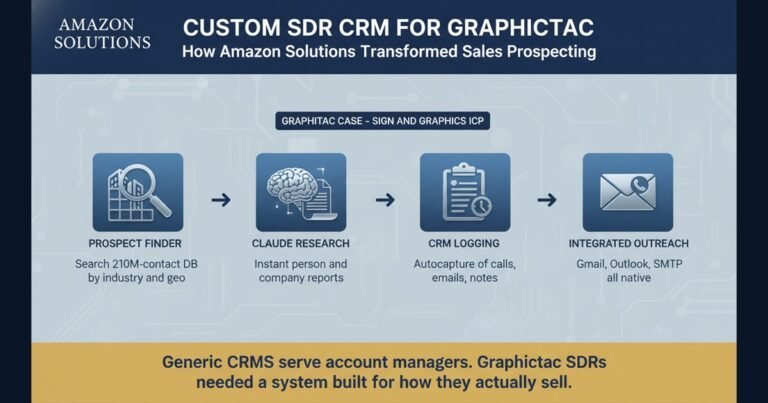
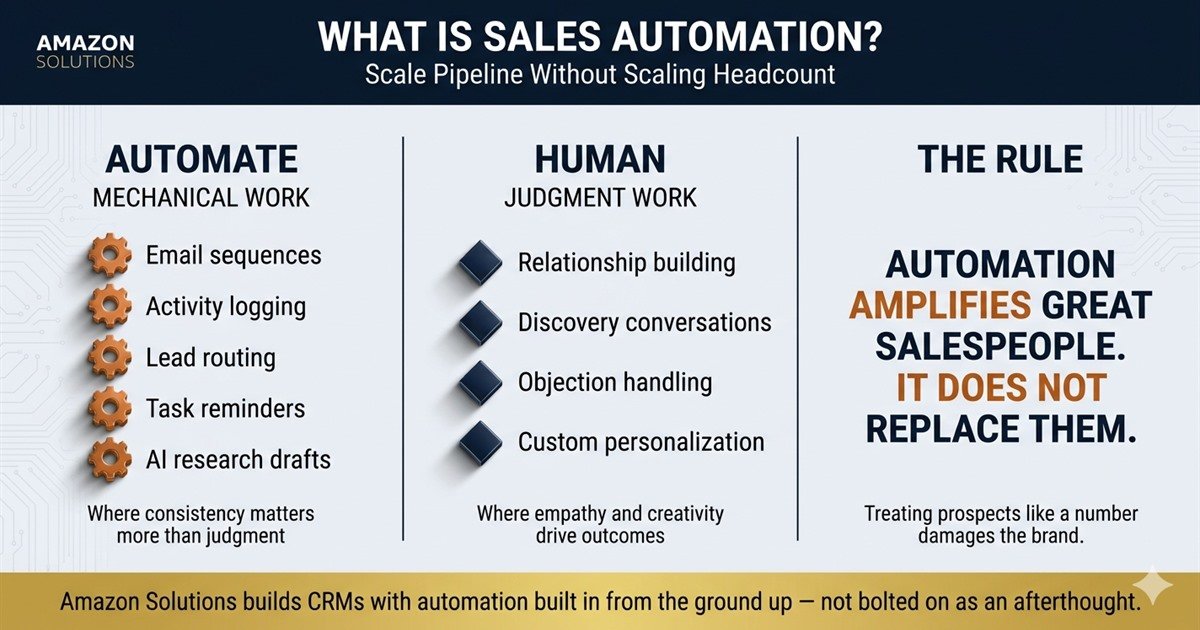
The range of tasks that can be automated in modern B2B sales is broader than most teams realize. Email sequences can be automatically triggered when a prospect enters a certain stage, ensuring consistent follow-up without manual effort. Activity logging captures emails, calls, and meetings automatically, so the CRM stays accurate without reps having to update it manually after every interaction.
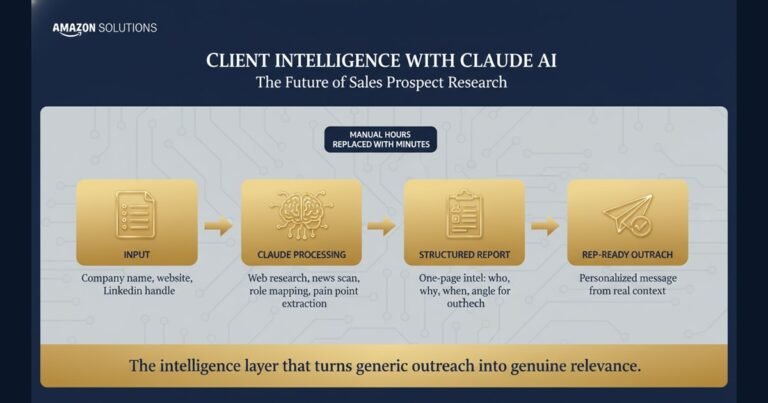
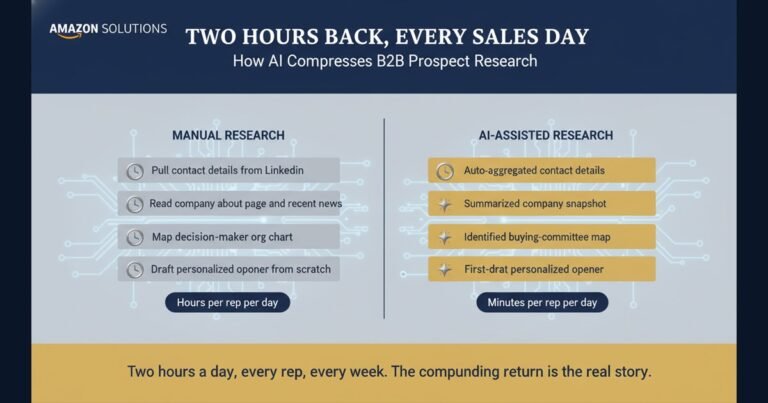
Lead routing ensures new inbound leads are immediately assigned to the right rep and receive an instant response. Task reminders surface overdue follow-ups so nothing falls through the cracks. And AI-assisted tools can now handle significant portions of prospect research, personalization, and even first-draft outreach message creation.
What Are the Risks of Over-Automating Sales?
The biggest risk of sales automation is losing the human touch that makes B2B relationships work. When automation is used as a substitute for genuine personalization — mass-blasting templated emails to thousands of prospects and calling it “outreach” — it damages your brand and produces poor results. Prospects can tell when they’re being treated like a number, not a person.
The best B2B sales teams use automation to handle the mechanical work, while keeping the judgment, creativity, and empathy firmly in human hands. Automation amplifies great salespeople. It doesn’t replace them.
How Does Sales Automation Connect to CRM?
Sales automation lives inside your CRM. The two are inseparable — a CRM without automation is just a database, and automation without a CRM has no structure to operate within. When properly integrated, the CRM serves as the brain of your sales process: tracking where every prospect is, triggering the right automated actions at the right time, and giving your team clear visibility into what’s happening across the entire pipeline.
Amazon Solutions builds CRM systems with automation built in from the ground up — not bolted on as an afterthought. Every workflow, every trigger, and every automated sequence is designed to match your specific sales process.
How Amazon Solutions Automates B2B Sales at Scale
We design and deploy sales automation systems that give your team the leverage they need to build a bigger pipeline without burning out. From automated outreach sequences to AI-powered research to CRM workflows that handle the administrative work automatically — we build the infrastructure that lets your team focus on what they do best: building relationships and closing deals.
Ready to get more out of your sales team without adding headcount? Contact Amazon Solutions today.
$497 GEO + SEO Site Audit
Want this kind of analysis run on your site?
We map your real visibility across ChatGPT, Perplexity, Claude, and Gemini — and hand you a prioritized fix list within 5 business days.
Book Your $497 Audit →